



On 15 April, the collective catering sector experienced a major regulatory milestone: the approval of the Royal Decree on healthy school canteens. A second milestone will follow soon with the publication of the forthcoming Royal Decree regulating food provision in the healthcare and social care sector. Many see these regulatory frameworks as a turning point… although, in reality, they are the logical consequence of a path the sector has been travelling for more than a decade.
The great challenge of healthy eating – in schools, care homes or hospitals – is not regulatory, but structural. And while the legal framework helps to organise and standardise criteria, the truth is that the professional ecosystem was already moving forward, innovating and assuming commitments that are now set out in black and white.
As highlighted by the employers’ association Food Service España, the collective catering sector has been working for years with technical, nutritional and food safety criteria that are now being consolidated. “Collective catering is more than ready for this new reality. We have been working for years to guarantee the best possible service. We have the experience, the technical expertise and the commitment needed to contribute actively to developing and maintaining the level of care,” explains Mario Agudo, spokesperson for Food Service España. The new legislation simply formalises a transformation that was already underway.
New rules, old commitments
The Royal Decree on school canteens introduces clear guidelines: more fresh products, fewer ultra-processed foods, evidence-based nutrition, sustainability and homogeneous criteria applicable throughout the country.
The new regulations require all schools with a canteen to guarantee pupils daily consumption of fresh fruit and vegetables, and specify that at least 45% of the fruit and vegetables served must be seasonal, encouraging both healthier and more sustainable canteen models and strengthening local production.

The Decree also ensures higher consumption of fish, pulses and whole grains in school canteens. It establishes weekly servings based on recommendations from scientific and health organisations such as AESAN and WHO. In practical terms, the regulation requires between one and three servings of fish per week, which will mean a notable increase in national fish consumption, given that—according to Ministry of Consumer Affairs estimates—around 1,200 school canteens in Spain never serve fish.
The forthcoming healthcare and social care Decree follows the same approach, while adding challenges specific to older people or patients with special needs. On 25 November, the Minister for Social Rights, Consumer Affairs and the 2030 Agenda, Pablo Bustinduy, announced that this Decree will include the removal of ultra-processed foods from menus served to children and adolescents hospitalised in healthcare centres, and will establish minimum nutritional and sustainability criteria guiding procurement and food offerings.
According to Agudo, “it is essential for the collective catering sector to be involved in drafting the regulation, taking into account the diversity of centres, patients and needs. The companies concerned know the day-to-day reality of running canteens in hospitals and care homes, and we can contribute realistic proposals that guarantee service quality.”
Healthy eating is built with committed suppliers
But the most important part is not the regulation itself, but what will determine its success: whether schools and healthcare centres have suppliers capable of supporting the transition towards a healthier and more sustainable food model. Today, the answer is clearly yes.
At the upcoming Collective Catering Meeting Point at Alimentaria + Hostelco (the only global event for the collective catering sector in Spain, featuring stands and activities within the programme of the seventh edition of the ‘Collective Catering Congress’), several leading companies will demonstrate how this new paradigm is already present in their real, daily and feasible product offer.
— EcoArtesa grows and produces organic and locally sourced products, working with a dual objective: achieving genuine territorial balance that ensures a dignified future for small and medium-sized farmers and, at the same time, promoting healthy and sustainable food based on pulses and ancient cereals that provide real plant-based alternatives to ultra-processed foods, especially during the growth stage.”

— Elmar Frozen Food as a supplier specialised in frozen products and comprehensive food solutions for the professional sector, has developed over the years a range that covers a wide variety of categories —fish and seafood, meat, vegetables and other convenience solutions— always aligned with the criteria now set out in the regulations. Its catalogue is based on quality raw materials, controlled origin and reinforced food-safety processes, enabling collective catering operators to comply with the new requirements of nutritional balance, frequency, diversity and sustainability in their menus.

— GourmetEcoFood promotes healthier and more sustainable collective catering thanks to high-quality organic ingredients —such as pulses, rice or gluten-free flours— that enable the creation of balanced, tasty and nutritious menus. Their proposal supports safe and responsible cooking in school, corporate or social canteens, bringing together nutrition, sustainability and food education in everyday practice.

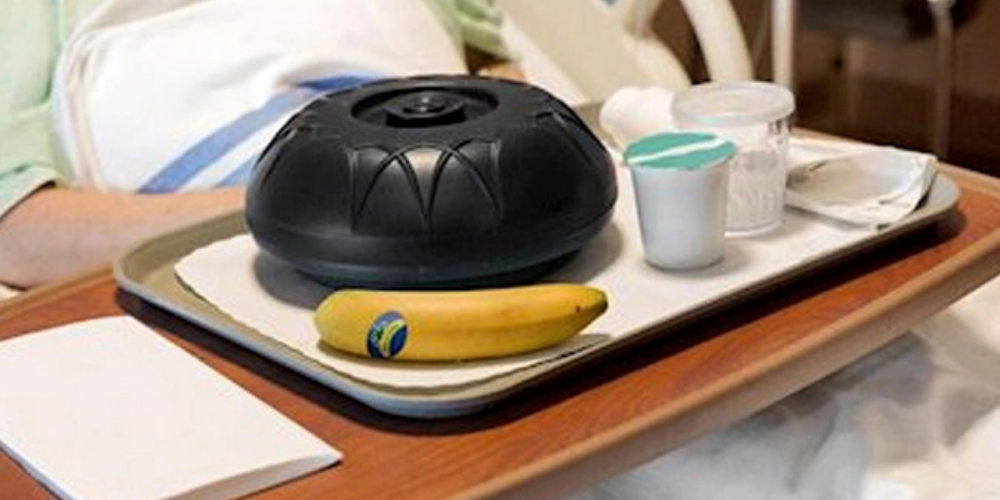
— Plátano de Canarias reinforces something as essential as the consumption of high-quality fresh fruit, a key element of healthy eating both in schools and for older adults. In addition to texture, flavour and ease of consumption, it also offers the guarantee of national origin.
These companies are just one example of how the value chain is responding to the criteria of quality and health. After all, you cannot demand fresh fruit, sustainable fish, dairy products with an appropriate nutritional profile or locally sourced goods without relying on companies that can supply them consistently and safely.
Healthy eating in schools, care homes and hospitals will not be an obligation… it will be a sector-wide construction, the result of partnerships, innovation and shared responsibility. Ultimately, the new Royal Decrees are a step forward; but what truly matters is that the sector —suppliers included— was already prepared to take it.
However, being prepared does not mean that the challenge comes at no cost. Ensuring healthy, safe and sustainable food implies expenses that fall mainly on operators and suppliers, who take on the responsibility of adapting products, processes and logistics day after day. If we want the new standards not to remain merely on paper, it is essential that the administration also plays its part, establishing support mechanisms, funding and responsible public procurement. Only then will it be possible to consolidate a model of collective catering that is genuinely healthy, sustainable and accessible to all.
By Ana Turón, journalist at Restauración Colectiva